Executive Summary
Nexus Darknet represents a prominent hidden service operating within the decentralized Tor network. Established to facilitate the anonymous exchange of digital goods and secure communications, it has rapidly evolved its underlying infrastructure to prioritize network resilience.
Observers note that the primary focus of the platform's architecture relies heavily on stringent cryptographic protocols, minimizing centralized data retention, and utilizing asynchronous routing strategies to maintain uptime during periods of hostile network activity.
Historical Timeline
Genesis and Infrastructure Deployment
Initial deployment of the core routing protocols. The platform introduced its structural foundation, focusing on basic PGP integration and establishing initial onion addresses.
Implementation of Multi-Signature Frameworks
A significant architectural upgrade that integrated complex escrow mechanics. This update mandated multi-party cryptographic signing for all data transactions to mitigate centralized compromise vectors.
Asynchronous Network Scaling
In response to extensive network load, operations shifted toward distributed, asynchronous mirror routing. The deployment of decentralized load balancers ensured higher availability.
Technical Architecture
Walletless Processing
The platform utilizes a direct-deposit methodology, entirely bypassing traditional on-site custodial wallets. This reduces the attack surface by ensuring funds are heavily decentralized.
Cryptographic Integration
A rigid emphasis is placed on Monero (XMR) alongside Bitcoin (BTC) and Litecoin (LTC). XMR acts as the primary vehicle for sustaining privacy-centric network stability.
Mandatory Escrow Models
All interactions are funneled through automated escrow protocols heavily dependent on public-key cryptosystems, enforcing strict PGP verification prior to any finalized exchange.
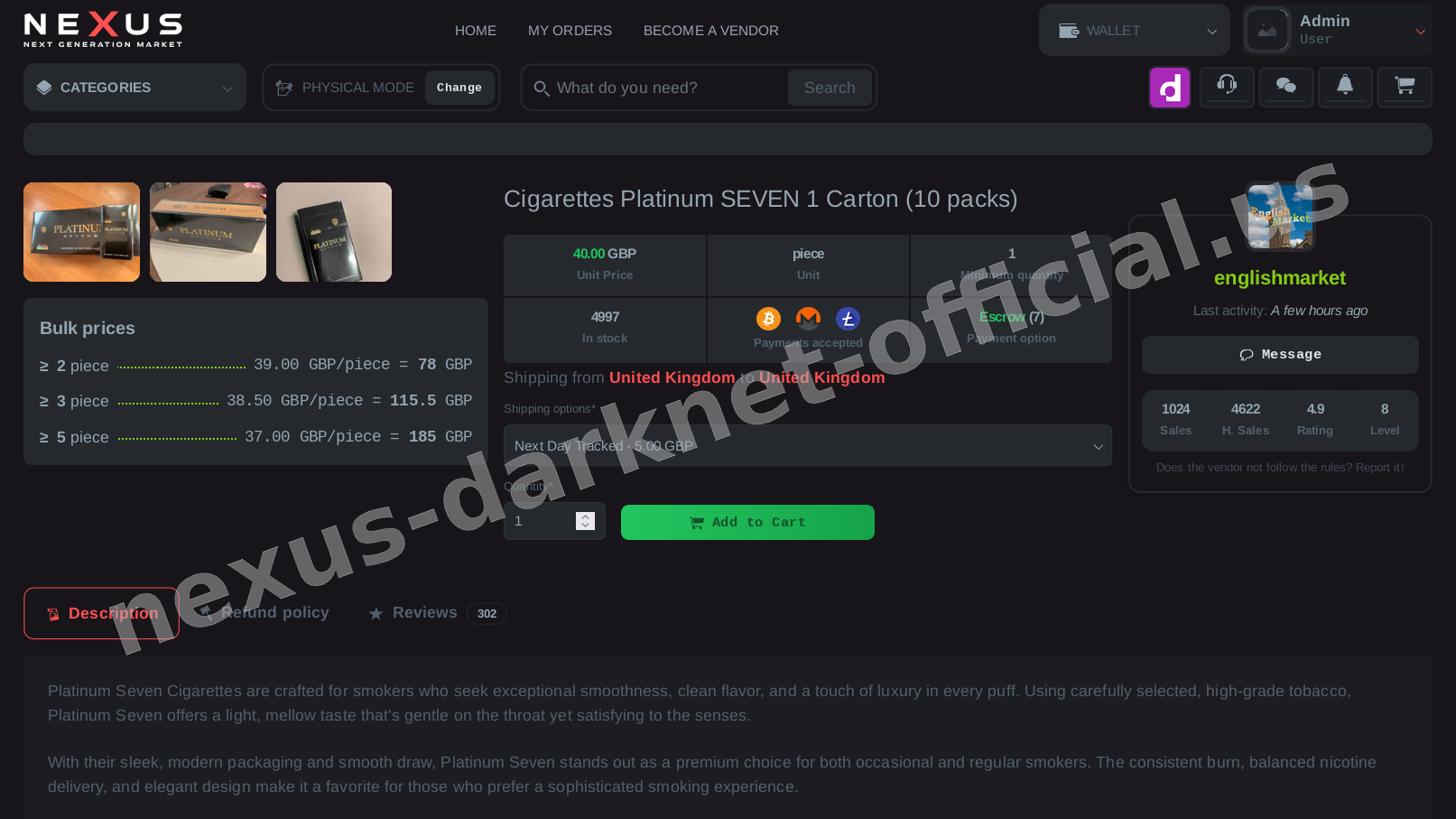
Platform Interface Preview
Community & Statistics
Analytical observations indicate a rapidly expanding participant base, supported by robust merchant verification policies. The platform requires stringent deposit bonds for distributors, ensuring a high barrier to entry that discourages low-effort actors and upholds overall network integrity.